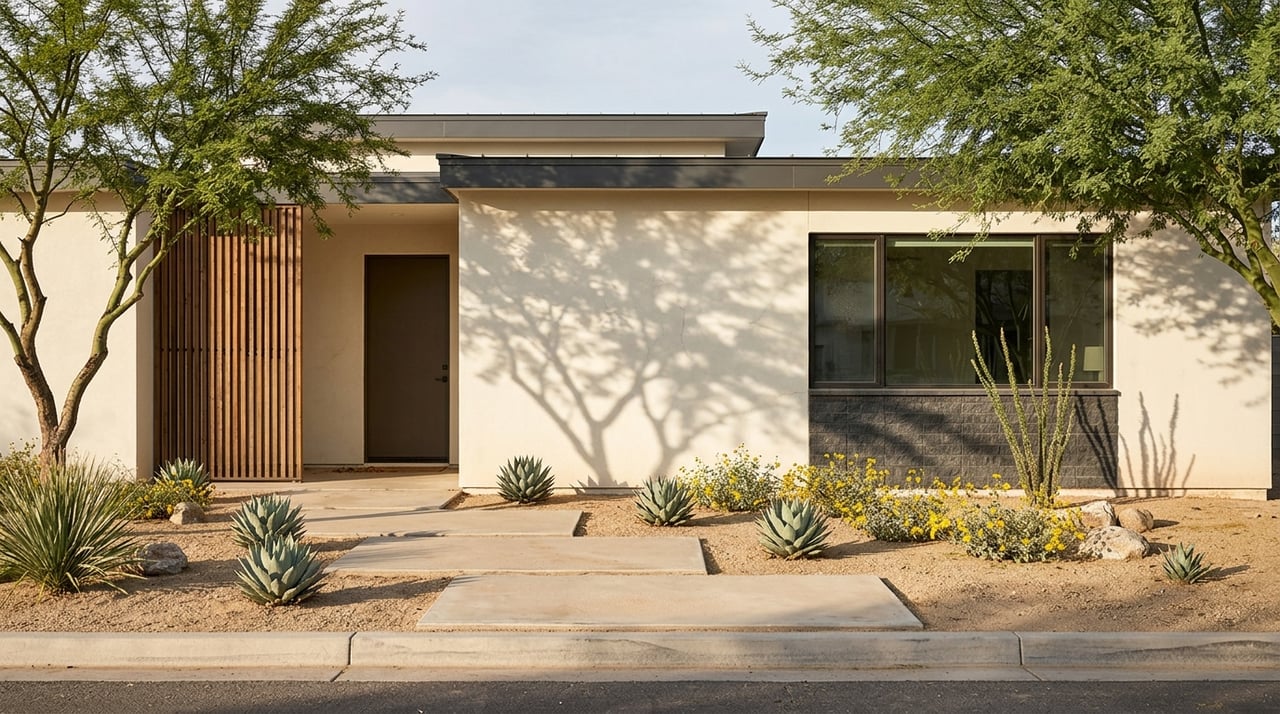
If your likely buyer lives hours away, your Fort Mohave home has to do more than look good in person. It has to make sense online, feel inviting on a screen, and answer practical questions before a showing is ever scheduled. When you prepare your home for distant buyers the right way, you give them the clarity and confidence they need to take the next step. Let’s dive in.
Why distant buyers matter in Fort Mohave
Many buyers start their search online, and that matters even more for a market like Fort Mohave, where out-of-area and second-home interest can be part of the mix. According to NAR’s 2024 buyer survey, 43% of buyers began by searching the internet, 69% used a mobile phone or tablet, and photos, detailed property information, and floor plans were among the most useful website features.
That same survey found that the typical buyer viewed seven homes, including two that were viewed online only. In other words, your first showing may never happen at your front door. It may happen on a phone screen, with a buyer deciding in minutes whether your home is worth a trip.
Start with a digital-first mindset
If you want to reach distant buyers, think of your listing as a digital dossier, not just a marketing page. Your goal is to help someone understand the home clearly from afar, without needing multiple calls, repeat visits, or last-minute explanations.
That means your home should be prepared in two ways at the same time. First, it needs to present well visually through photos and video. Second, it needs to be backed by organized information about condition, repairs, permits, and disclosures.
Make photos and video work harder
Strong visuals are not optional for distant buyers. They are often the first filter buyers use when deciding what to see, what to skip, and what deserves a serious second look.
NAR’s 2025 staging survey found that 83% of buyers’ agents said staging made it easier for buyers to visualize a home as their future home. The same report found that 48% said buyers expected homes to look staged like what they see on TV, and 58% said buyers were disappointed when homes did not meet that expectation.
Focus on the rooms buyers notice most
If you are prioritizing your effort, start with the spaces that tend to carry the most weight in marketing. NAR’s staging survey identified the living room, primary bedroom, and kitchen as the top rooms buyers’ agents considered most important to stage.
These rooms often shape the overall impression of the property. When they look clean, bright, and easy to understand, the entire home tends to feel more polished and move-in ready.
Declutter before anything else
One of the simplest ways to improve your listing is to remove visual noise. Decluttering helps rooms feel larger, cleaner, and easier to photograph.
It also supports the buyer’s ability to picture their own belongings in the space. For distant buyers who cannot quickly stop by for a second look, that mental connection matters even more.
Fix obvious issues before listing
Correcting visible property faults can make your online presentation stronger and reduce buyer hesitation. Small defects that might seem minor in person can become focal points in high-resolution photos or walkthrough video.
The staging survey also noted that staged homes were more likely to see slightly shorter market times and, in some cases, higher offers. That does not mean every update has to be major, but it does mean presentation can influence momentum.
Include the visual tools remote buyers need
Distant buyers need more than a handful of listing photos. They need enough detail to understand how the home lives, how rooms connect, and whether the layout fits their needs.
For that reason, a strong Fort Mohave listing should include still photos, a room-by-room walkthrough video, and a floor plan or dimension sheet. This aligns with buyer preferences reported by NAR, where photos, detailed property information, and floor plans ranked among the most useful online features.
What to include in your listing package
A remote-friendly listing package should aim to answer the questions a buyer would usually ask while walking through the home. Helpful elements include:
- Professional still photos
- A room-by-room walkthrough video
- A floor plan or room dimensions
- Clear notes on upgrades and major systems
- Seller disclosures prepared in an organized format
- Supporting records for repairs, maintenance, and permits
When these pieces are assembled well, your home is easier to evaluate from a distance. That can lead to more serious interest and fewer back-and-forth questions later.
Give buyers the information they would ask in person
A distant buyer often wants reassurance as much as inspiration. If they cannot inspect every detail during an informal visit, they will rely more heavily on your documentation and disclosures.
Arizona consumer guidance tells buyers to read the seller’s property disclosure report carefully and pay attention to deadlines for challenging disclosures or ordering inspections. For sellers, that makes a clear and complete disclosure package especially important.
Build a clean seller document folder
The best seller packet explains what was done, when it was done, and whether it was permitted. This can help reduce confusion once the home goes under contract.
Useful documents may include:
- Permits
- Warranties
- Service invoices
- Upgrade dates
- Roof records
- HVAC service history
- Appliance manuals
- HOA or CC&R documents, if applicable
For a distant buyer, this kind of organization can make the home feel more transparent and easier to trust.
Consider a pre-listing inspection mindset
Arizona guidance also tells buyers to consider a professional home inspection and a termite inspection, and to confirm that appliances, water, and irrigation are working properly. From a seller’s perspective, that makes early issue-spotting a practical step.
When you identify concerns before listing, you have more control over timing, repairs, and how the property is presented. It can also reduce the chance that a remote buyer is surprised after going under contract.
Use Mohave County records to support your file
Public records can help verify the story behind your home. In Mohave County, sellers have access to useful tools that can help organize property information before the home hits the market.
Mohave County offers an Assessor Search, while deed information is handled through the recorder. The recorder also provides access to recorded documents and certified copies. In addition, permits can be submitted and viewed through the county’s Electronic-Record Center and Online Permitting Portal.
What to gather from county records
If you are assembling a seller packet for distant buyers, it helps to pull together the records that support your disclosures and property history. Depending on the home, that may include:
- Parcel data
- Permit history
- Recorded documents
- Deeds or related recorded records
- Repair and maintenance records you already have
Bringing these materials into one digital folder can save time during escrow. It also keeps buyers from having to search across several county systems on their own.
Why preparation can lead to smoother escrow
Remote buyers often do much of their screening virtually before they ever commit to an in-person visit. NAR’s 2025 staging survey found that buyers’ agents said their clients expected to view a median of 20 homes virtually and 8 in person before buying.
That tells you something important. By the time a distant buyer reaches out, they may already be comparing your home against many others based on how complete and credible the presentation feels online.
Fewer surprises, fewer delays
When your listing answers common questions early, it can reduce follow-up calls, repeat showings, and avoidable confusion. Buyers can review visuals, layout, disclosures, and supporting records before emotions and timelines become tighter in escrow.
That kind of preparation does not guarantee a flawless transaction, but it can make the process more efficient. A home that is easier to understand is often easier to move forward on.
A practical checklist for Fort Mohave sellers
Before your home goes live, review these key steps:
- Declutter living spaces, especially the living room, kitchen, and primary bedroom
- Correct obvious visual issues that will stand out in photos or video
- Prepare professional photos and a room-by-room walkthrough video
- Include a floor plan or clear room dimensions
- Organize seller disclosures carefully
- Gather invoices, warranties, manuals, and service records
- Check permit history and recorded property documents through Mohave County resources
- Create one digital folder so distant buyers can review everything easily
In a market where buyers may be shopping from another city or state, thoughtful preparation gives your home a sharper edge. It shows that the property has been presented with care and that the sale is being handled with clarity.
If you are getting ready to sell in Fort Mohave, the right strategy is not just about listing your home. It is about presenting it with precision, supporting it with documentation, and making it easy for the right buyer to say yes from wherever they are starting. For a more strategic approach to marketing your property, connect with US Southwest Luxury.
FAQs
How should I prepare a Fort Mohave home for out-of-area buyers?
- Focus on strong photos, a walkthrough video, a floor plan or dimensions, clear disclosures, and organized property records so buyers can understand the home without being there in person.
What rooms matter most when staging a Fort Mohave listing?
- The living room, primary bedroom, and kitchen are the top rooms buyers’ agents said were most important to stage.
Why are floor plans important for distant home buyers?
- Floor plans help remote buyers understand the layout and room relationships, which supports better decision-making when they cannot tour the home right away.
What documents should Fort Mohave sellers gather before listing?
- Helpful documents include permits, warranties, service invoices, upgrade dates, roof and HVAC records, appliance manuals, and HOA or CC&R documents if they apply to the property.
Where can Fort Mohave sellers verify property records?
- Mohave County offers tools through the assessor, recorder, and permitting systems that can help sellers review parcel data, recorded documents, and permit history.