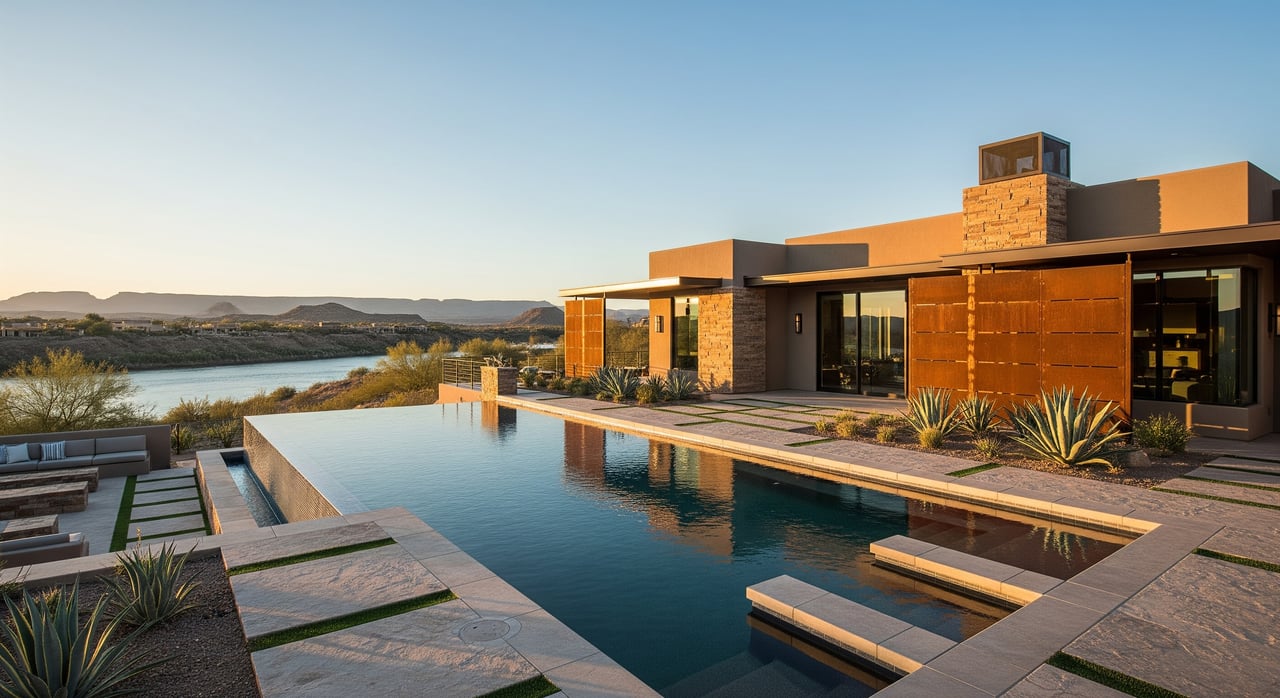
Thinking about a Fort Mohave getaway you can call your own? Financing a second home in Arizona works a bit differently from buying your primary residence, so it pays to understand the rules before you tour. You want clarity on down payments, reserves, rates, and how any rental plans might affect your loan. In this guide, you’ll learn what lenders expect, how to avoid surprises, and the exact questions to ask before you fall in love with a river or golf property. Let’s dive in.
What counts as a second home
Primary vs second vs investment
Lenders separate homes into three categories. A primary residence is where you live most of the time. A second home is for your personal use, not your primary, and is often in a vacation area you visit regularly. An investment property is purchased to generate rental income and is not primarily for your own use. These definitions come from conventional investor rules, such as the Fannie Mae Selling Guide and the Freddie Mac Single-Family Guide.
Why the label matters
Your loan options, down payment, reserves, and interest rate depend on how the property is classified. Most government-backed loans like FHA, VA, and USDA are designed for primary residences. Second homes and investments are usually financed with conventional or portfolio loans. If you plan to use nightly rentals heavily, many lenders will treat the home as an investment, which can raise cash requirements and pricing.
What lenders expect for second homes
Down payment and PMI
For conventional second-home loans, expect a typical minimum down payment of 10 to 20 percent. Many lenders lean toward 15 to 20 percent for the best terms. If your loan-to-value is over 80 percent, private mortgage insurance (PMI) often applies. Some lenders do not offer PMI for second homes at higher LTVs, which can make 20 percent down the practical minimum. Government loans are generally not available for second homes, as outlined in consumer guides from the CFPB.
Credit score and DTI
Lenders usually want stronger credit for a second home than for a primary. Mid-600s to low-700s can qualify, but 700-plus often earns better pricing. Debt-to-income caps commonly land near 45 percent, and some lenders allow up to 50 percent with strong compensating factors. Expect tighter overlays in vacation markets.
Reserves you need
Reserves are the liquid funds you must show after closing. For second homes, lenders commonly require 6 months of PITI for the new home, and sometimes more if you own other properties. This policy aligns with practices in the Fannie Mae Selling Guide and Freddie Mac Guide. Reserves are a key reason total cash needed is higher than the down payment alone.
Rate differences
Second-home loans usually carry a modest rate premium compared with primary homes. The difference often ranges from about 0.25 to 0.75 percent, depending on your credit, down payment, loan size, and property type. Jumbo or portfolio loans can price higher.
Appraisals and property type
Appraisals follow standard practices, but vacation areas may need a wider search for comparable sales. That can add time. Condos, waterfront, and unique homes may require extra documentation. Your lender will order the appraisal and guide the process.
Planning to rent? Read this first
Long-term vs short-term rentals
Long-term leases are easier for lenders to underwrite. With proper documentation, some lenders allow a portion of current rent to offset your payment on investment loans. Short-term rentals are different. If nightly rentals are a major part of your plan, many lenders will reclassify the home as an investment. That usually means a higher down payment and more reserves.
Using rental income to qualify
Investor loans may count a percentage of rent, often about 75 percent of documented income, to allow for vacancy and expenses. Conventional second-home loans typically do not use projected short-term rental income to qualify unless the program expressly allows it and the income is well documented. Clarify this early to avoid surprises.
Local and HOA rules in Mohave County
Before you count on rental income, verify the rules. Some HOAs restrict short-term rentals. Jurisdictions nearby may require registration or have use limits. Insurance carriers may also price second homes with rentals differently. Do your due diligence on community covenants, county ordinances, and insurance availability at the start of your search.
Fort Mohave cash needed: three examples
These examples show how down payments and reserves add up. They exclude closing costs, which you should budget at 2 to 5 percent of the purchase price. PITI estimates below are placeholders. Your lender will calculate actual PITI for precise reserve amounts.
Scenario A — around $250,000
- 10 percent down: $25,000
- 20 percent down: $50,000
- 6 months reserves if PITI is about $1,500: $9,000
- Cash needed at closing:
- 10 percent down + reserves = $34,000 plus closing costs
- 20 percent down + reserves = $59,000 plus closing costs
Scenario B — around $400,000
- 10 percent down: $40,000
- 20 percent down: $80,000
- 6 months reserves if PITI is about $2,400: $14,400
- Cash needed at closing:
- 10 percent down + reserves = $54,400 plus closing costs
- 20 percent down + reserves = $94,400 plus closing costs
Scenario C — around $600,000
- 10 percent down: $60,000
- 20 percent down: $120,000
- 6 months reserves if PITI is about $3,600: $21,600
- Cash needed at closing:
- Realistic lender expectation is 20 percent or more down for this tier, plus reserves: $141,600 plus closing costs
Key takeaways:
- Reserves are a meaningful part of total cash to close.
- Putting 20 percent down can remove PMI and may improve pricing.
- Higher prices may trigger jumbo rules, which often require larger down payments and stronger reserves.
Arizona and Fort Mohave specifics
Property taxes and assessments
Arizona’s effective property tax rate is lower than many states, but annual taxes still affect your PITI and your required reserves. You can review parcel data and current assessments through the Mohave County Assessor.
Flood, wildfire, and insurance
Riverfront and low-lying properties can sit in flood zones. Lenders will pull a flood determination, and flood insurance may be required. You can check maps at the FEMA Flood Map Service Center. Insurance pricing and coverage can vary with hazard risk. For consumer resources on insurance in Arizona, visit the Arizona Department of Insurance and Financial Institutions.
Conforming limits and jumbo loans
Your loan size determines whether a loan is conforming or jumbo. Jumbo loans often carry higher rates and larger reserve and down payment requirements. You can review current limits at the FHFA conforming loan limits page and confirm Mohave County specifics with your lender.
Appraisal timing and documentation
In vacation markets, appraisals can take longer, and unique properties may require additional comps or addenda. Waterfront features, HOA rules, or systems like wells and septics can also trigger extra review. Build some time into your contract to accommodate this.
Questions to ask your lender before touring
Use this checklist on your first call so you know exactly where you stand.
- Occupancy and product
- Will you classify my Fort Mohave purchase as a second home if I use it personally and rent only occasionally? What changes if I plan short-term rentals?
- What second-home programs do you offer: conventional or portfolio? Any options below 20 percent down?
- Qualification and pricing
- What are your down payment minimums at 90, 85, and 80 percent LTV?
- What credit score do you require for standard vs best pricing? What DTI cap do you use for second homes?
- How much higher is your typical rate for second homes compared with a primary for my profile?
- Will PMI be required if I put less than 20 percent down? What is the estimated cost?
- Reserves and documentation
- How many months of PITI reserves do you require for the second home? Do you also require reserves for my current home or other properties?
- What documents do you need for income and assets? How do you treat retirement accounts as reserves?
- Rentals and income
- Do you allow projected rental income to qualify? If yes, how much do you count and what documentation is needed?
- Will short-term rentals be permitted under this loan, or would that change me to an investment product?
- Appraisal, insurance, and closing
- What appraisal type will you require? Any addenda for waterfront or unique properties?
- If the home is in a flood zone, how will flood insurance affect my payment and approval?
- What closing costs and prepaids should I budget as a percent of price? What is your typical application-to-close timeline and rate-lock period?
Smart next steps
- Get preapproved with at least two lenders. Include one local bank or credit union and one larger retail lender to compare overlays, reserves, and pricing.
- Ask each lender to run two written scenarios: 10 percent down and 20 percent down, each showing reserve requirements and PMI.
- Check HOA documents and local rules early if you plan to rent. Confirm insurance availability and cost for the specific property.
- If you are eyeing riverfront or golf communities, clarify flood zones and appraisal timelines up front.
When you are ready to explore Fort Mohave second homes with confidence, connect with a local team that blends boutique service with full brokerage support and optional post-close services. Reach out to US Southwest Luxury for tailored guidance, lender introductions, and a smooth path from offer to keys.
FAQs
What is the minimum down payment for a second home in Fort Mohave?
- Many conventional lenders allow 10 to 20 percent down for second homes, with 20 percent often providing better pricing and no PMI.
How many months of reserves will I need for a Fort Mohave second home?
- Expect at least 6 months of PITI for the new home, with more possible if you own other properties or use a jumbo or portfolio loan.
Will lenders count short-term rental income from Airbnb to qualify me?
- Most conventional second-home loans will not use projected short-term rental income; heavy nightly rental plans often trigger investment loan rules.
Are FHA, VA, or USDA loans available for second homes in Arizona?
- These programs generally serve primary residences, so second homes are usually financed with conventional or portfolio loans.
How much higher are second-home mortgage rates than primary residence rates?
- Pricing often runs about 0.25 to 0.75 percent higher, depending on your credit, down payment, loan size, and property type.
Do flood zones affect second-home financing near the Colorado River?
- Yes. If the property sits in a designated flood zone, lenders will require flood insurance, which increases PITI and can impact qualification. You can check maps via FEMA’s Flood Map Service Center.