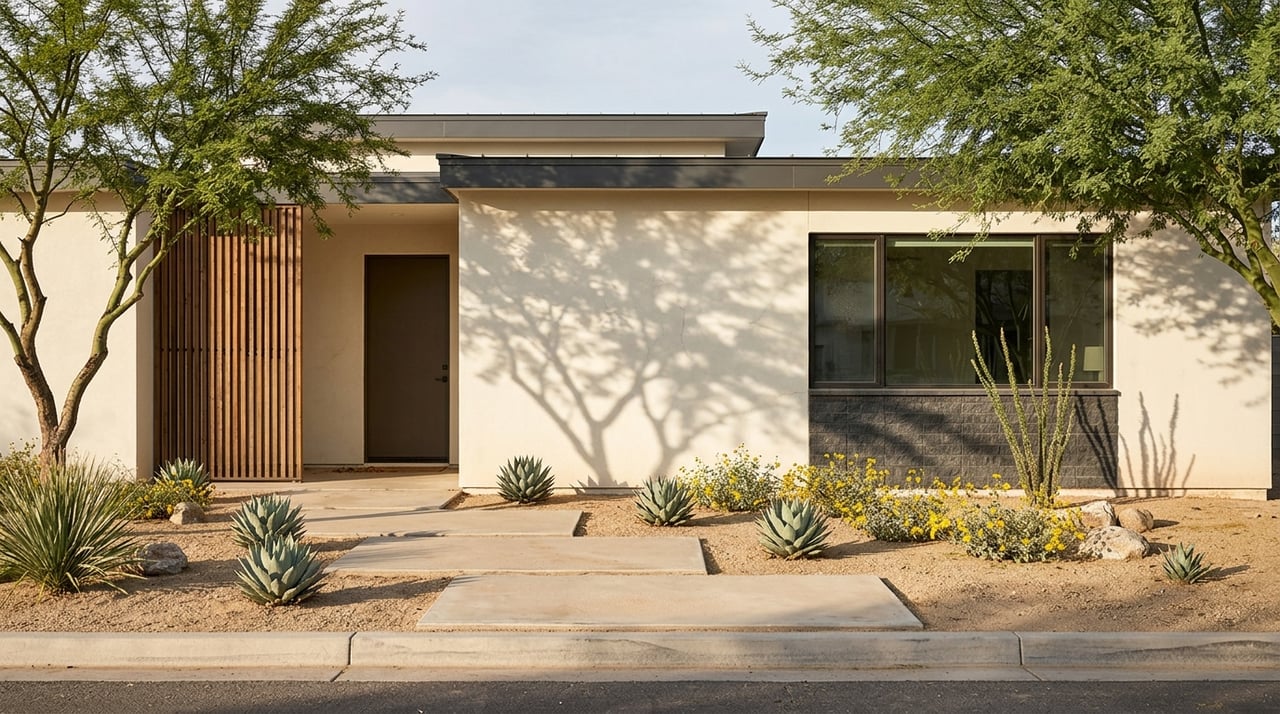
Thinking about buying in Bullhead City but not sure where to start? You are not alone. This river-and-resort market has distinct rhythms, property types, and seasonal patterns that can change how you search and how you negotiate. In this guide, you will learn how to read the market, what micro-markets mean for price and pace, and the practical steps that help you move with confidence. Let’s dive in.
How to read the Bullhead City market
Bullhead City behaves like several markets in one. The best way to understand it is to watch a few core metrics and compare them by price band and property type.
Months of supply is your tempo check
Months of supply shows how many months it would take to sell all active listings at the current sales pace. Around 6 months is balanced, under 3 months is a faster seller’s market, and above 6 months leans buyer-friendly. Check this first for the overall city and again for riverfront, golf-course, and mainstream neighborhoods.
Days on market tells you where buyers move fastest
Use median days on market and compare across price ranges. Entry-level homes often move quicker. Riverfront and unique homes can take longer, but they command premiums when matched with the right buyer.
Prices and price per square foot need context
Median sale price and price per square foot help you compare options. Look at 3-, 6-, and 12-month trends. Compare Bullhead City with nearby Mohave County markets to see if local shifts are seasonal or part of a larger pattern.
Listing flow and pending ratio signal momentum
New listings per month and the ratio of pending to closed sales help you see whether inventory is building or tightening. Seasonal demand from snowbirds and retirees can make late fall through spring more active.
Property type mix and financing share matter
Track the share of sales by single-family homes, condos, and manufactured homes. In lifestyle markets, cash plays a bigger role. Knowing cash versus financed share helps you tailor your offer terms.
Micro-markets you should know
Bullhead City’s value story changes block by block. Here is how the main segments behave and what to watch.
Riverfront and river-adjacent homes
Homes along the Colorado River draw lifestyle buyers who want views and quick water access. Expect premiums tied to view quality and dock or slip rights. Pay close attention to flood zones, insurance requirements, and any riparian setbacks or public access rules. Check the official FEMA Flood Map Service Center to understand property-specific risk.
What to confirm:
- Flood zone designation and insurance estimates.
- Dock or slip rights and any HOA or agency rules.
- Traffic and noise during peak tourism seasons.
Golf-course and resort-area homes
Golf-course properties offer views and amenities like clubhouses and pools. Premiums are strongest for direct course frontage and better views. Review HOA rules, dues, irrigation impacts, and any rental limitations if you plan occasional short-term rental use.
What to confirm:
- HOA documents and fee schedule.
- Landscape and irrigation responsibilities.
- Rental policies if investment use is part of your plan.
Central neighborhoods and suburban tracts
These areas include newer tract homes and stable resale inventory. They tend to be less volatile and move on predictable timelines. Focus on commute routes, resale comparables, and practical features like lot size, garage space, and outdoor living areas.
What to confirm:
- Utility providers and estimated monthly costs.
- Resale comps in the immediate area.
- Any neighborhood-specific HOA rules.
Manufactured and mobile home communities
Manufactured homes can offer a lower entry point and appeal to buyers seeking seasonal or retirement living. Financing can be different from standard single-family homes, especially if the land is leased.
What to confirm:
- Land ownership versus lot lease terms.
- Financing eligibility and lender requirements.
- Park rules and age, pet, or rental policies.
New construction vs. resale
New construction may be limited in certain price tiers. When supply is tight, resale values can be supported. If you prefer move-in-ready with builder warranties, track local builders and lot releases. If you want larger lots or established areas, resale may offer better choices.
Price bands and what to expect
Breaking the market into segments makes your search clearer. Use your local MLS data to set today’s thresholds, then apply these patterns.
- Entry segment: Often includes manufactured homes and smaller single-family homes. These can move quickly when priced right.
- Mainstream segment: The bulk of single-family resale inventory. Expect balanced timelines with seasonal shifts.
- Premium segment: River-adjacent, golf-course frontage, or larger lots. Timelines can be longer, but finishes, views, and outdoor living spaces drive demand.
- Luxury and rare inventory: The largest riverfront estates and unique properties. Marketing time depends on distinct features and buyer pool size.
Tip: Review days on market and list-to-sale price ratio by band. That will help you size inspection windows, appraisal strategies, and price positioning for offers.
Financing and cash: set yourself up early
Get written preapproval before you tour. Sellers in Bullhead City prefer buyers with verified financing, and a clean preapproval helps your offer stand out.
- Lenders: Consider local lenders or credit unions who understand Mohave County appraisals, riverfront comparables, and flood-insurance issues. National lenders can work as well if they grasp local nuances.
- Loan types: Conventional financing is common for single-family homes. FHA and VA can work well, but confirm eligibility early for manufactured or unique properties.
- Appraisals: Riverfront and custom homes may lack perfect comps. Discuss appraisal gap options with your agent and lender if you compete in a tight segment.
Inspections, insurance, and title specifics
The desert climate, river proximity, and resort amenities add a few extra checkpoints.
- Inspections: Prioritize HVAC performance, roof condition, pool or spa systems, irrigation plumbing, and termite or wood-destroying organism inspections. If the property uses a well, add water quality and flow testing.
- Insurance: If the property sits in a FEMA-designated flood zone and your mortgage is federally regulated, flood insurance is usually required. Even outside mapped zones, river-adjacent buyers often consider coverage. Confirm premiums early using the FEMA Flood Map Service Center.
- Title and easements: For riverfront lots, verify riparian rights, recorded easements, public access strips, and dock or slip ownership and usage rights.
If you have questions on utilities, permits, or local development, the Bullhead City official website is a helpful starting point.
Touring and offer playbook
Out-of-area buyers often do best with a structured plan. Set a timeline and work the steps.
- Get preapproved and define your price band and property types.
- Shortlist 6 to 8 homes, including a few stretch options to learn the trade-offs.
- Plan a 2 to 3 day visit for showings. Leave room for second looks and inspections.
- For virtual tours, request high-quality video walkthroughs, floor plans, and neighborhood clips. For riverfront, ask for drone footage to understand water orientation.
- Align your offer terms with the segment. Shorten inspection periods for competitive homes, or use seller credits in lieu of price drops when that helps both sides.
Negotiation levers that work locally
- Inspection periods: A clear, efficient inspection timeline can signal strength without adding risk.
- Seller credits: Credits at closing can solve repair items while keeping the seller’s net intact.
- Closing dates: Flexible timing can matter to sellers relocating or retiring. If you can adjust, you can often improve your overall terms.
Seasonal patterns and timing your move
Bullhead City sees higher buyer traffic in the cooler months, with more snowbird activity from late fall through spring. Listings and showings can slow during peak summer heat. If you want more options, consider shopping as new listings arrive. If you value calmer competition, the slow season can offer more negotiating room.
Where to find current numbers
Before you write your offer, review the most recent local data.
- Local MLS: Pull active inventory, months of supply, median sale price, and median days on market for Bullhead City. Compare with Mohave County and nearby markets for context.
- Association reports: Check monthly updates from local REALTOR groups for commentary on trends.
- Property-level checks: Confirm parcel details, flood zones, and any recorded easements before you finalize terms.
Your next step
Buying in Bullhead City is about matching lifestyle with the right micro-market and moving with clarity. When you focus on months of supply, days on market, and the practical checks that matter here, you can write a confident offer and enjoy the river, golf, and outdoor living that drew you in. If you want local guidance, a curated tour plan, or insight on riverfront and golf-course opportunities, connect with US Southwest Luxury for a personalized strategy.
FAQs
Is Bullhead City a buyer’s or seller’s market right now?
- It depends on price band and season; check months of supply and median days on market from the local MLS, and expect tighter conditions in cooler months with snowbird demand.
How much more do riverfront homes cost in Bullhead City?
- River and river-adjacent homes usually command a premium tied to direct water access, views, and dock or slip rights; review recent closed comps for the most accurate comparison.
Do I need flood insurance near the Colorado River?
- If the property is in a FEMA-designated flood zone and your mortgage is federally regulated, it is usually required; verify the specific parcel at the FEMA Flood Map Service Center.
Are manufactured homes hard to finance in Mohave County?
- Financing can be different from standard single-family homes, especially on leased land; confirm eligibility and loan type with your lender early in the process.
What inspections are most important for Bullhead City homes?
- Focus on HVAC performance, roof condition, pool or spa systems, irrigation plumbing, and termite or wood-destroying organism inspections; add well testing if applicable.